What Makes a Good Private Label Furniture Wipes Product?
The demand for furniture wipes continues to grow across retail, commercial cleaning, and e-commerce markets. For brands looking to enter or expand in this category, launching a private label furniture wipes product can be highly profitable—but only if the product meets market expectations.
So, what actually defines a high-quality, competitive private label furniture wipes product? Below is a comprehensive breakdown based on buyer behavior, industry standards, and top-ranking market practices.
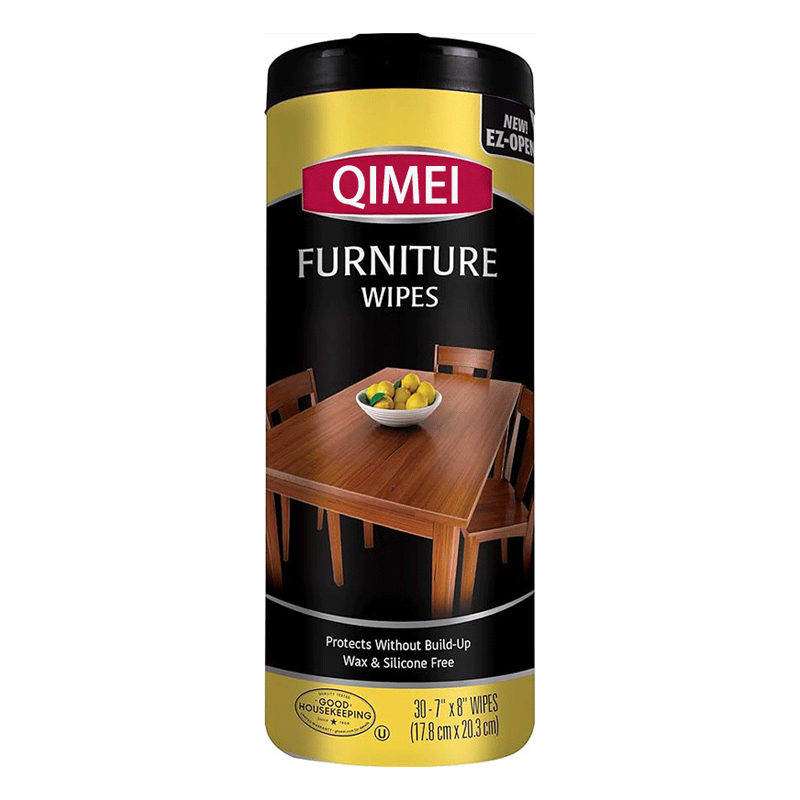
1. Effective Cleaning Performance Comes First
At its core, a furniture wipe must deliver visible, reliable cleaning results. Buyers and end users expect:
Efficient removal of dust, grease, and fingerprints
Streak-free finish on surfaces
No sticky residue after use
High-performing wipes often include balanced surfactants and anti-static agents that not only clean but also help prevent dust from resettling quickly.
2. Surface Compatibility Is Critical
One of the most common concerns (and Google “People Also Ask” questions) is:
“Are furniture wipes safe for all surfaces?”
A strong private label product should be:
Safe for wood, laminate, glass, and metal
Non-damaging to coated or polished surfaces
Suitable for delicate finishes (e.g., varnished wood)
Many leading brands position their wipes as multi-surface furniture wipes, which significantly broadens their target market.
3. High-Quality Nonwoven Material
The substrate (wipe material) directly impacts user experience and product perception.
Top-performing furniture wipes typically use:
Spunlace nonwoven fabric (soft yet durable)
Lint-free material (no fiber shedding)
High absorbency for better cleaning efficiency
For premium positioning, some brands also explore:
Biodegradable fibers
Extra-thick or embossed textures for better grip and cleaning power
4. Safe & Balanced Formula
Modern consumers are increasingly ingredient-conscious. A competitive product should feature:
Alcohol-free or low-alcohol options
Non-toxic formulation
Mild cleaning agents
Optional plant-based ingredients
Additionally, avoiding harsh chemicals helps position your brand as safe for home use, especially in households with children or pets.
5. Functional Differentiation
The furniture wipes market is crowded. To compete, your product needs clear functional advantages:
Popular Differentiation Angles:
Antibacterial furniture wipes
Anti-static dust control wipes
Polishing wipes (adds shine to wood surfaces)
Eco-friendly / biodegradable wipes
Fragrance-free or low-scent options
6. Packaging That Drives Sales
Packaging is not just about storage—it directly affects conversion, especially in retail and e-commerce.
Key Packaging Options:
Resealable flow packs (most common)
Canisters (premium/home use)
Bulk packs (commercial buyers)
What Matters:
Strong sealing to prevent drying out
Easy dispensing design
Clean, professional branding
For private label buyers, custom packaging design is a major differentiator in crowded marketplaces like Amazon.
7. OEM Customization Capabilities
A good manufacturer should offer flexible OEM/private label solutions, including:
Formula customization
Fabric thickness & size options
Fragrance customization
Packaging and branding design
Low MOQ flexibility
This allows brands to create unique SKUs tailored to different markets (retail vs commercial, premium vs budget).
8. Compliance & Certifications
For global distribution, certifications are essential.
Buyers should look for manufacturers with:
ISO standards (quality management)
GMP compliance
MSDS / product safety documentation
REACH or FDA-related compliance (depending on market)
This is especially important for entering EU and North American markets.
9. Cost Efficiency for Bulk Buyers
From a procurement perspective, pricing must align with margins.
Key factors influencing cost:
Fabric quality
Liquid formulation
Packaging type
Order quantity (MOQ)
A good private label product balances:
Competitive pricing
Stable quality
Scalable production capacity
10. Market Trends You Should Not Ignore
To stay competitive, your product should align with current trends:
Eco-friendly & biodegradable materials
Multi-surface compatibility
Minimalist ingredient lists
Convenience-driven formats
Growth in commercial cleaning demand
Private label brands that adapt to these trends tend to scale faster in both online and offline channels.


评论
发表评论